
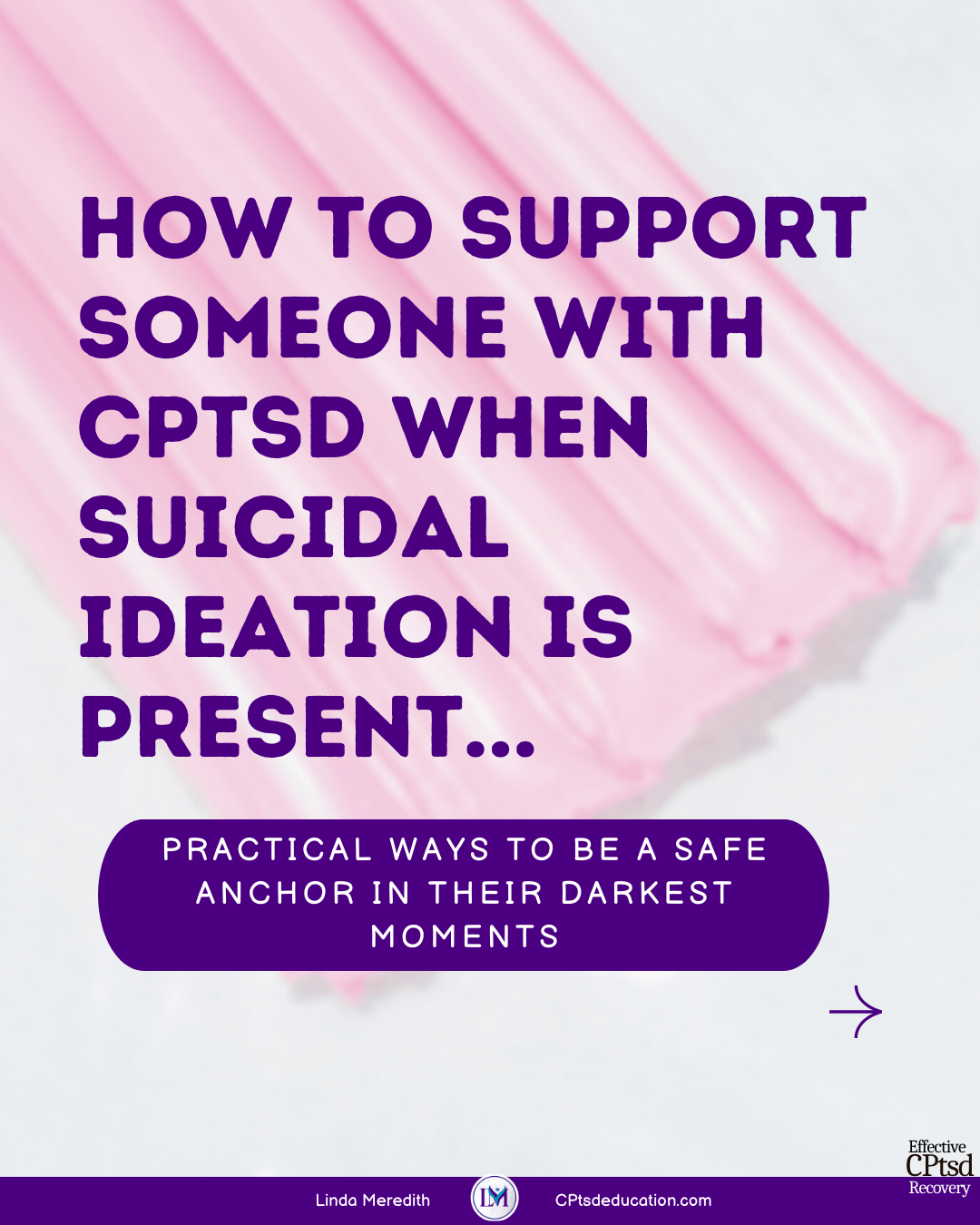
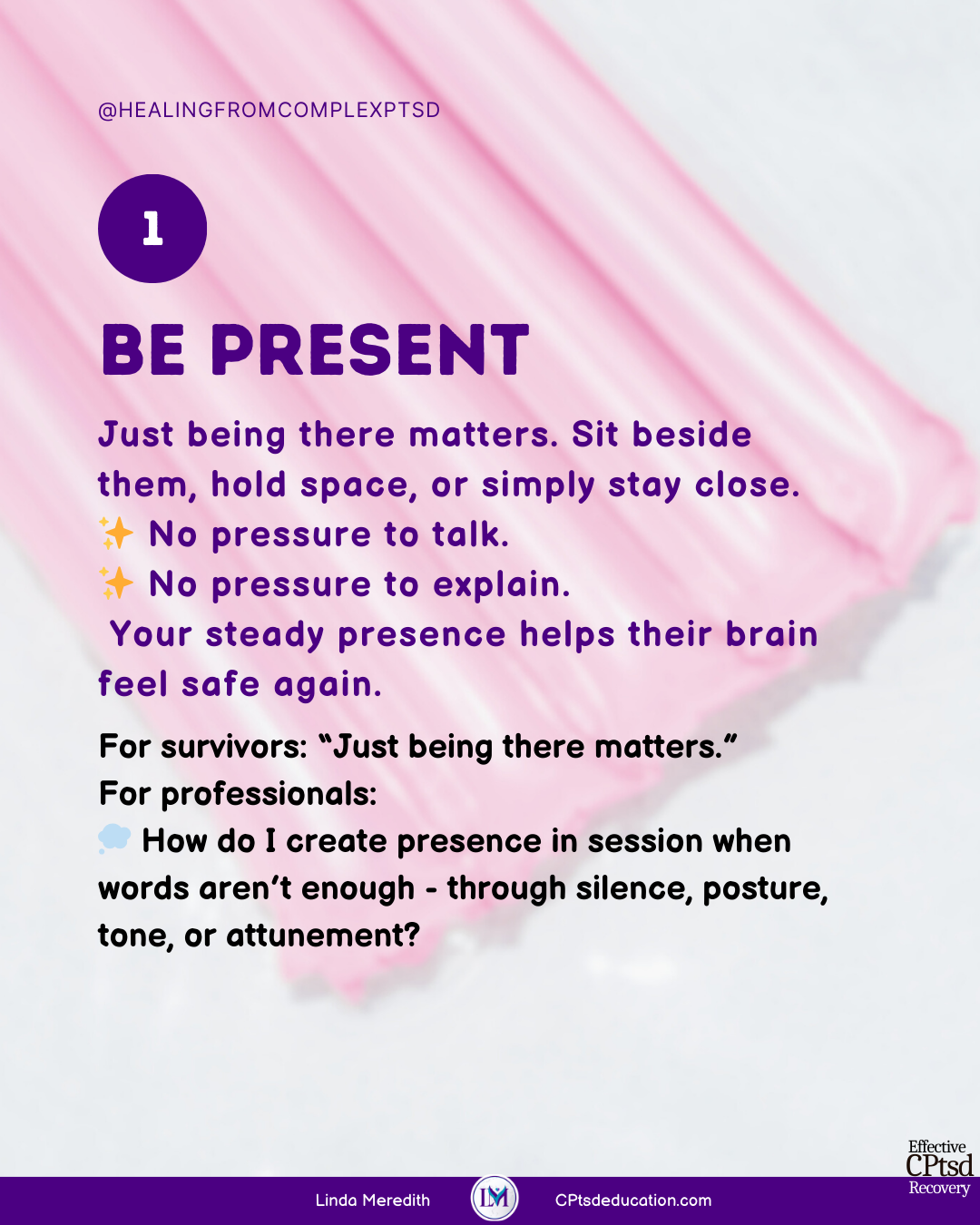
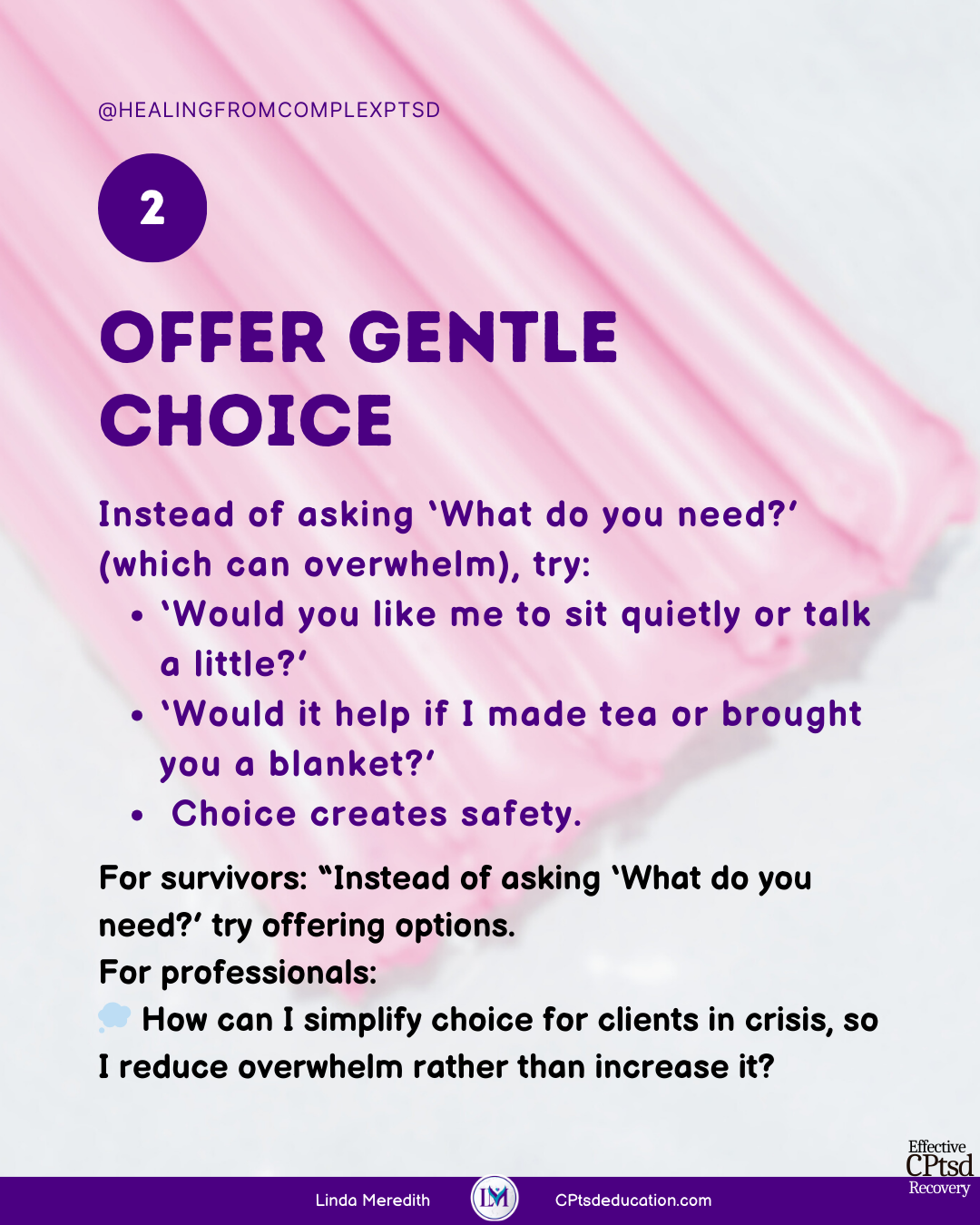
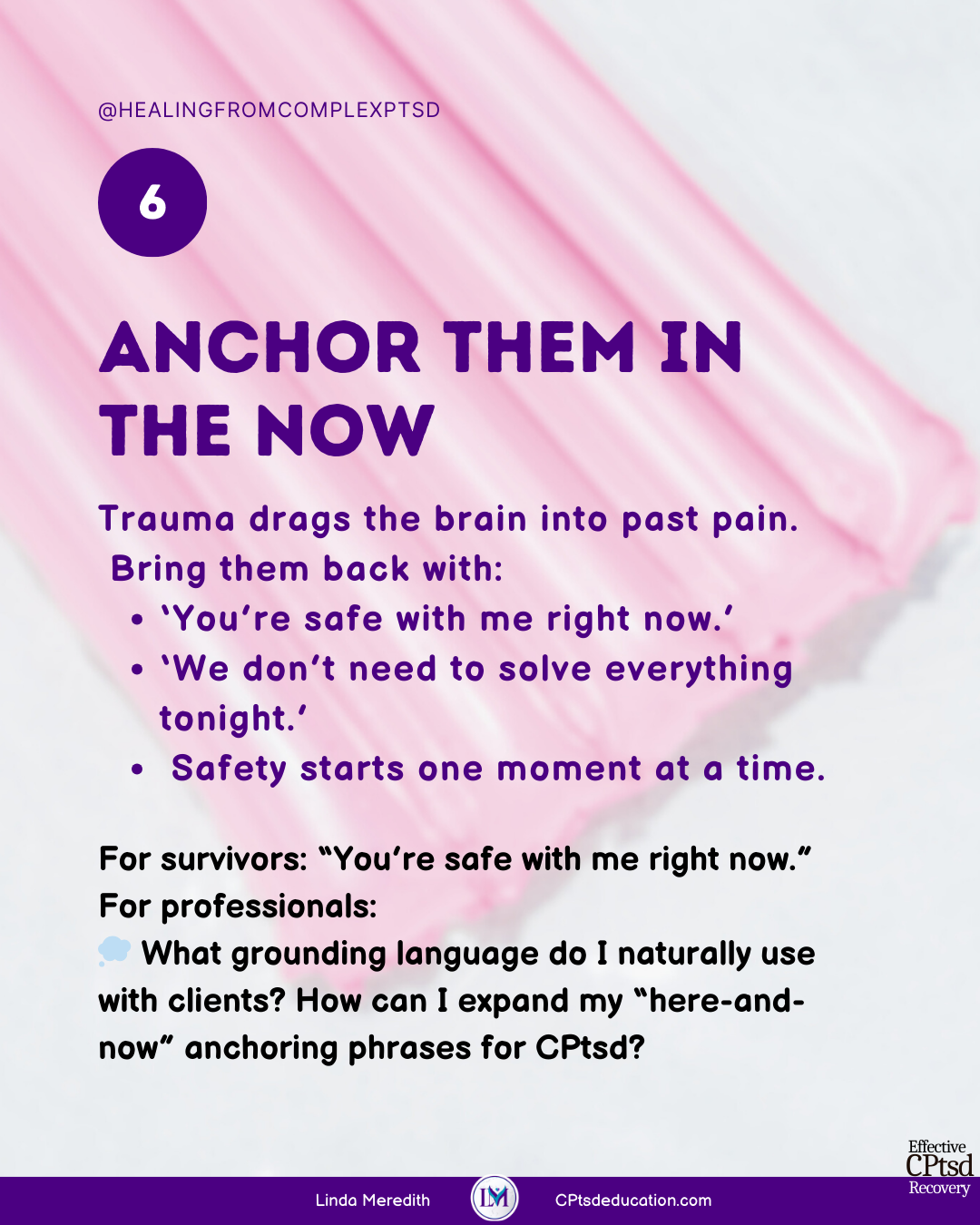
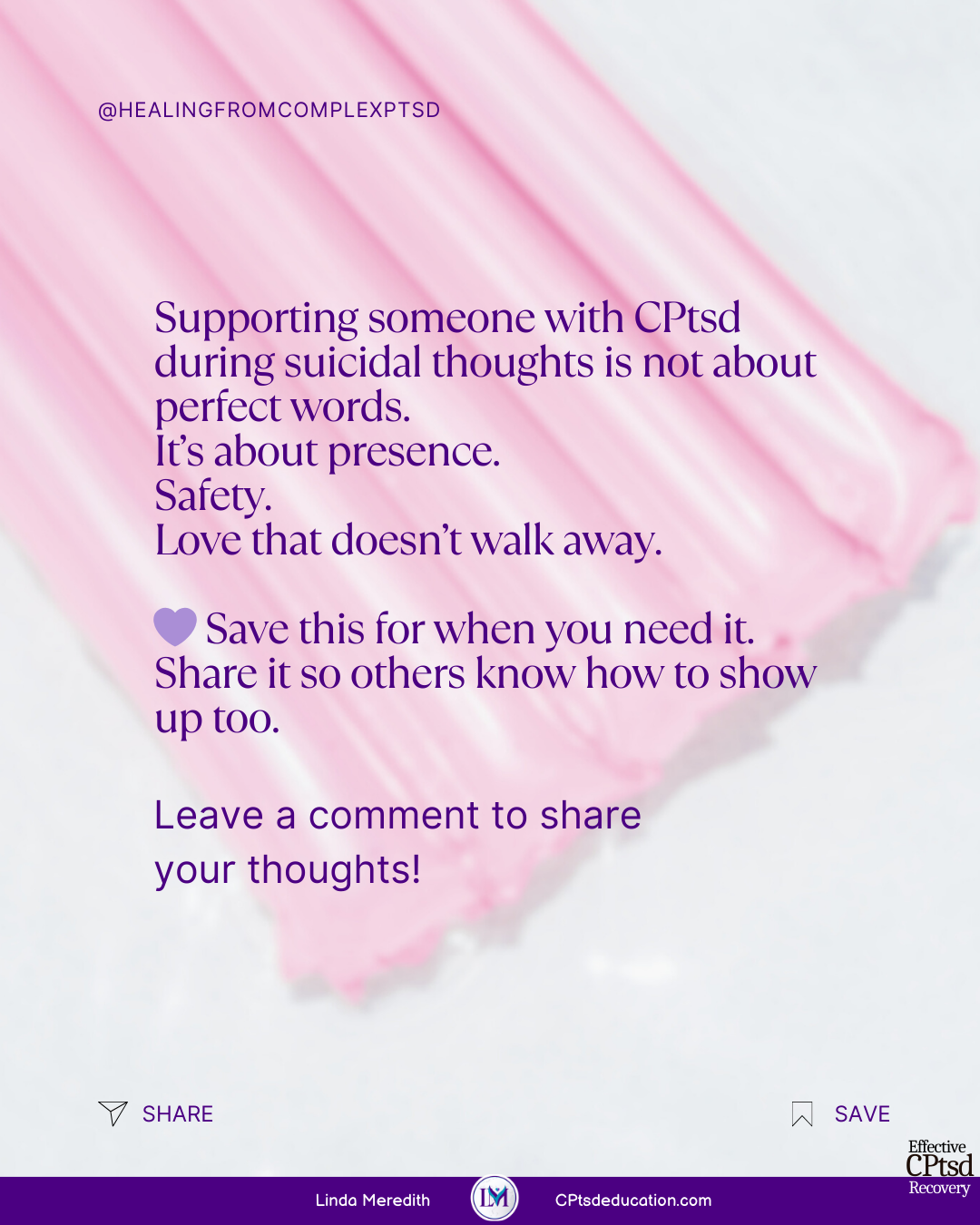
For supporters, it takes courage to stay steady in the face of someone else’s pain. Not to fix it, but to anchor safety:
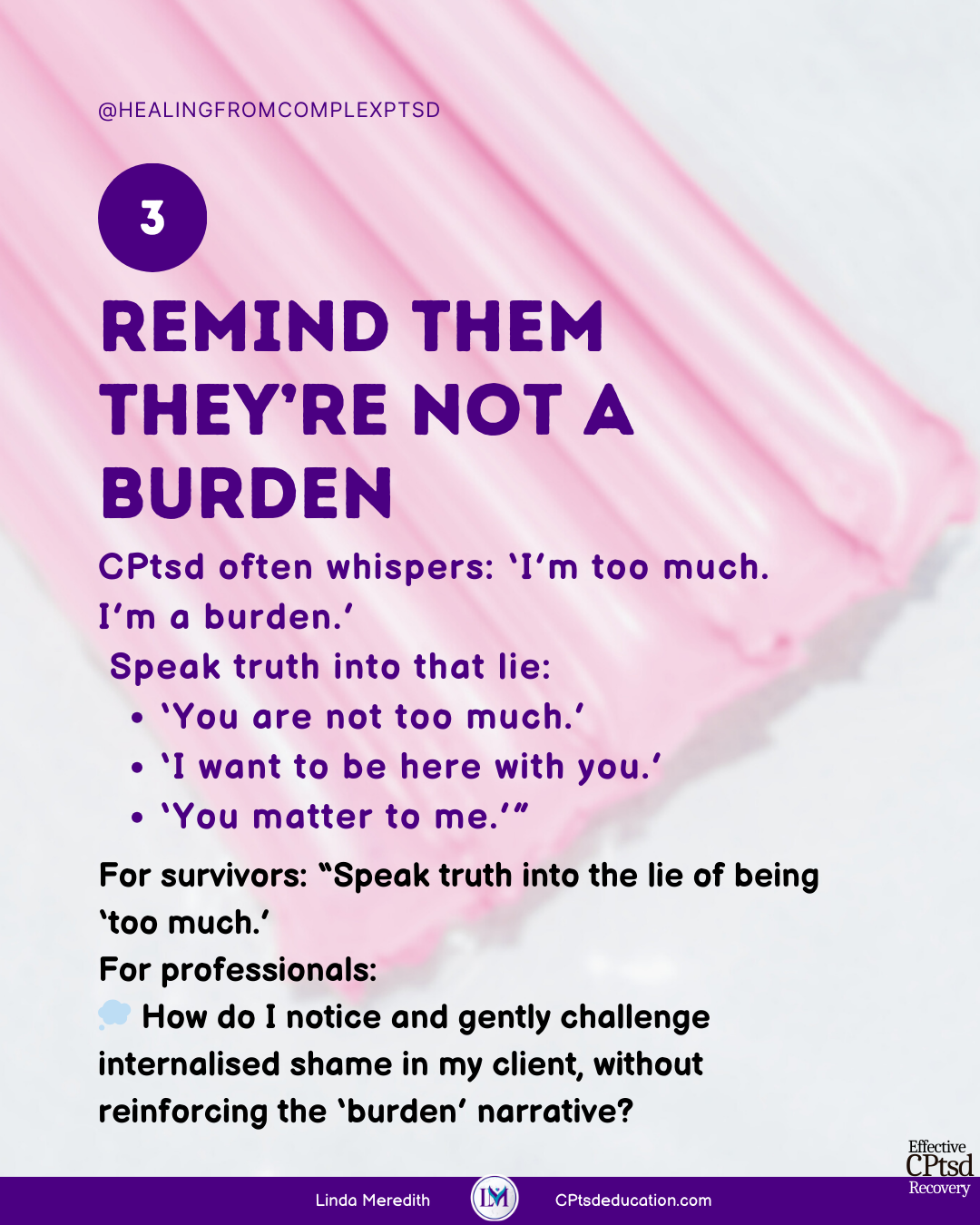
✨ “You’re not a burden.”
✨ “I want to be here.”
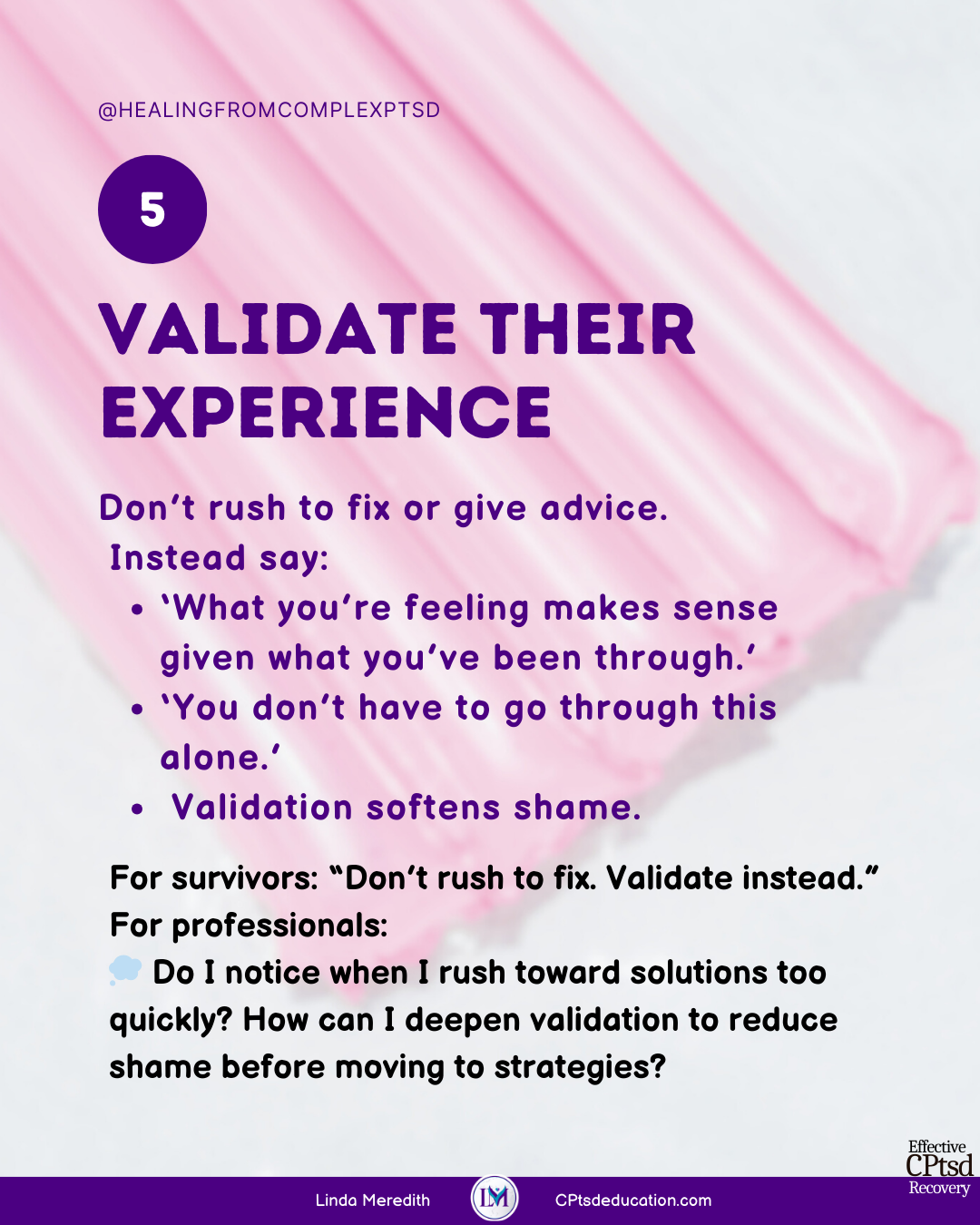
✨ “You don’t have to go through this alone.”
For many of us, suicidal thoughts aren’t about “wanting to die.” They’re about not knowing how to keep living with the weight we carry.
For many of us, suicidal thoughts aren’t about “wanting to die.” They’re about not knowing how to keep living with the weight we carry.
It often sounds like this inside:
💭 “I should be able to handle this — I’m an adult.”
💭 “Why can’t I get this part of my life to function?”
💭 “I’ve tried everything… maybe nothing will ever change.”
That hopelessness isn’t weakness. It’s what happens when the trauma-brain loops survival messages on repeat.
And yet — even in those moments — it takes immense courage to:
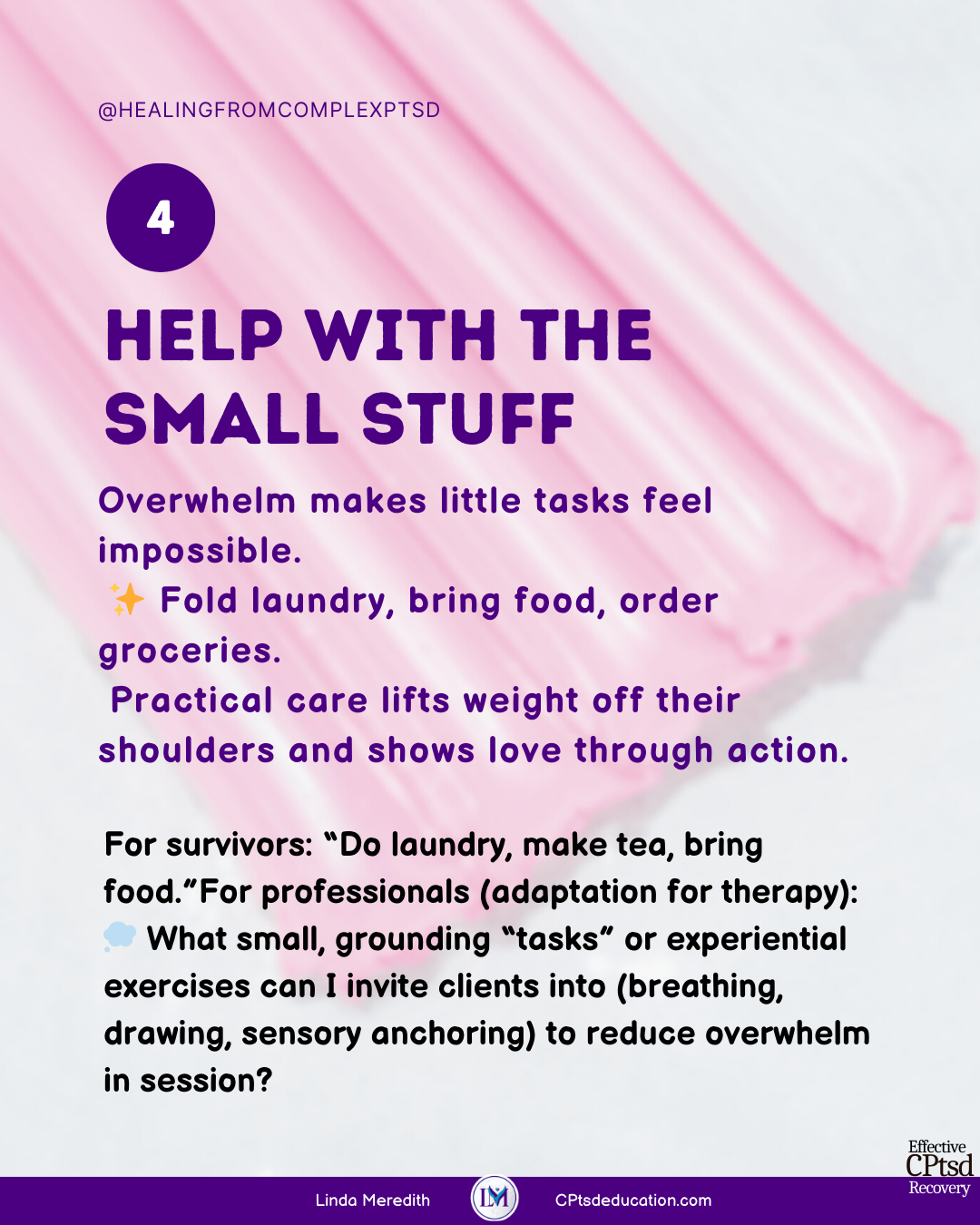
✨ Pick up the phone and tell someone, “I’m not okay.”
✨ Send a text to reassure your safe person, “I just need you to know where I’m at.”
✨ Whisper the truth: “I don’t have the words, but I can’t hold this alone right now.”
For supporters, it also takes courage to stay steady in the face of that raw honesty. To resist fixing, and instead say:
✨ “You’re not a burden.”
✨ “You matter to me.”
✨ “I’ll sit with you through this.”
💡 Reflection Questions:
1️⃣ If you’re a survivor, what feels hardest about voicing what you need when suicidal ideation hits?
2️⃣ If you’re a supporter, what makes it hardest to stay present without rushing to fix?
3️⃣ For both: What would “courage in communication” look like in your relationship?
🌱 It isn’t about perfect words. It’s about practicing connection, one honest moment at a time.
💡 Additional Reflection Questions:
💡 Additional Reflection Questions:
1️⃣ Survivors: What feels hardest about speaking those words out loud?
2️⃣ Supporters: What fears come up for you when someone you love says, “I’m not okay”?
3️⃣ For both: What would it look like to practice courage in communication before a crisis — so the words come a little easier when things get heavy?
🌱 Suicidal ideation in CPtsd is not a sign of failure. It’s a sign your brain is carrying too much alone. Speaking up is not weakness — it’s one of the bravest things you can do.
🌱 Suicidal ideation in CPtsd is not a sign of failure. It’s a sign your brain is carrying too much alone. Speaking up is not weakness — it’s one of the bravest things you can do.
🌱 Ready to Take the Next Step?
Living with CPtsd?
What if recovery meant no longer remaining in survival mode?
What if recovery meant no longer remaining in survival mode?
Write your awesome label here.
CPtsd recovery is a shared walk, not a solo test of willpower.
With the right support, language, tools and Trauma Brain Mapping old survival patterns can settle. Experience less pressure, more progress and kind accountability so your effort finally lands as change you experience in your daily life. Personal freedom starts here.
With the right support, language, tools and Trauma Brain Mapping old survival patterns can settle. Experience less pressure, more progress and kind accountability so your effort finally lands as change you experience in your daily life. Personal freedom starts here.
Write your awesome label here.
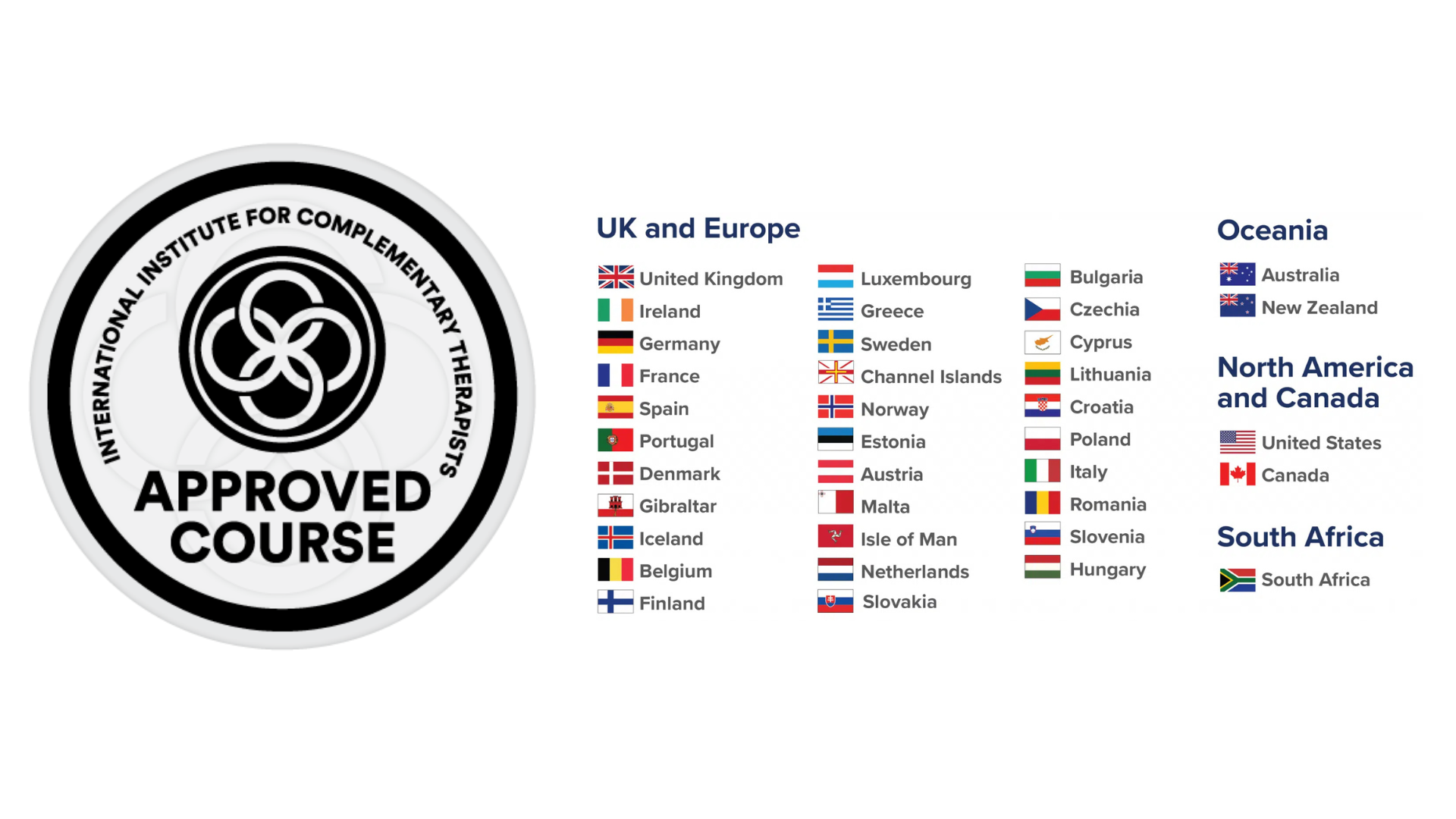

CPtsd Courses & Certification
✨ Whether you’re a professional, a survivor, or someone supporting a loved one, our CPtsd courses are designed for everyone. Explore practical, neuroscience-based tools and compassionate guidance you can use right away.
Follow us on social
Developmental Trauma/CPtsd Courses
Created with