Grab A Coffee | Let's Share.
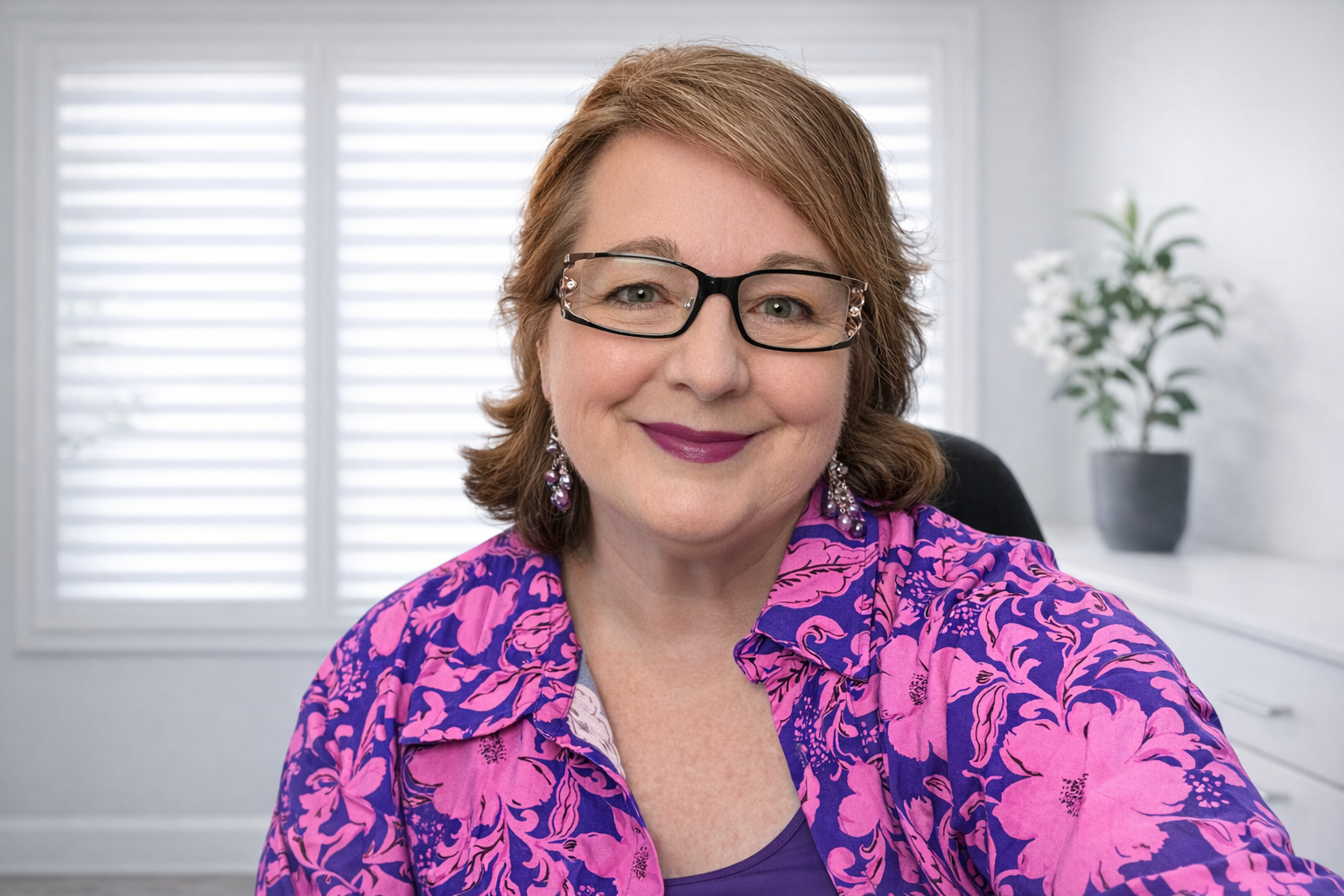
Linda's Story
I didn't enter the field of Complex Trauma because I was looking for a career. I entered it because I was searching for answers.
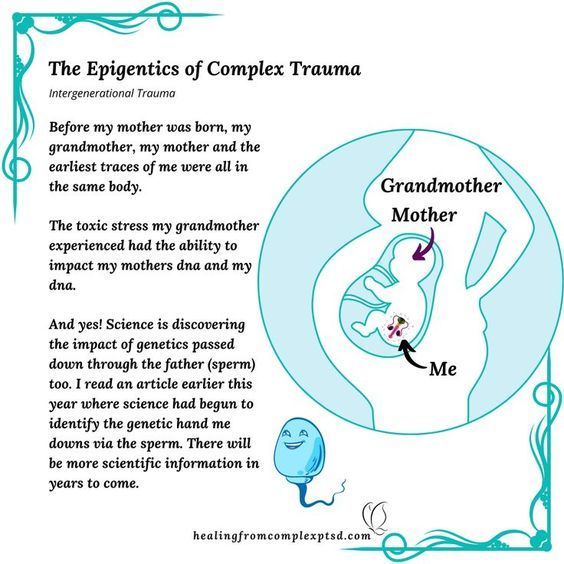
Growing up in a family affected by multiple generations of divorce, addiction, abandonment and violence, I made three decisions very early in life. I was determined never to marry a man like my father, never to become divorced, and never to raise my own children the way I had been raised.
At the time, there was little understanding of developmental trauma or the lifelong effects of emotional neglect, emotional abuse, psychological abuse, abandonment and child sexual abuse. Much of what I had experienced simply had no language.
As I grew older, my questions only increased. Why did life seem so much harder than it appeared to be for everyone else? Why did I experience episodes of overwhelming anxiety that resembled mini seizures when medical investigations found no answers? Why could I understand what I needed to do, yet still struggle to consistently access the capacity to do it?
Those questions became the beginning of my life's work.
Searching for Answers
I spent years seeking answers through counselling, psychology, psychiatry and medicine. While many professionals genuinely wanted to help, the explanations never fully accounted for what I was experiencing.
One psychologist told me I was functioning better than 98 per cent of their other clients. Although intended as encouragement, it only reinforced what I already knew.
I wasn't looking to function better than everyone else. I wanted to understand why I was functioning the way I was.
That search led me into counselling, education, neuroscience, developmental trauma, attachment and brain integration. Long before NeuroSynqt™, I developed My Authentic Self as I explored identity, healing and human development. Every qualification, every course and every framework grew from the same desire - to understand what was happening beneath the symptoms.
When My Clients Changed Everything
As I began working with clients throughout Australia and around the world, something unexpected happened.
The same stories kept emerging.
- Different countries.
- Different cultures.
- Different ages.
- Different professions.
Yet the external and underlying patterns were remarkably similar.
Highly capable people were privately living with chronic anxiety, shame, emotional overwhelm, relationship difficulties, unexplained physical symptoms and a deep belief that something was fundamentally wrong with them.
I realised I wasn't seeing isolated cases - I was seeing the same story repeated across the world. What began as my own search for answers had become something much bigger.

Looking Beyond Symptoms
Over time, it became increasingly clear that many people weren't struggling because they lacked insight, motivation or resilience.
Many had experienced developmental and intergenerational trauma that had never been recognised for what it was as the conversations continually focuses on the external symptoms and not what was driving those external symptoms from the impact of developmental trauma
I wanted to understand the systems underneath the external symptoms
That question became the foundation for NeuroSynqt™, the T.I.M. Technique and the educational frameworks I continue to develop today.
Experience Deepened the Research
Like many people living with Complex Trauma, there came a time when my own capacity significantly reduced.
That experience didn't begin my work, it deepened it.
For a period of time, everyday functioning became increasingly difficult, despite years of professional knowledge and personal determination. Recovery became more than something I taught, it became something I investigated with even greater depth, testing every assumption against both neuroscience and lived experience.
The result wasn't simply personal recovery. It fundamentally reshaped the way I understand developmental trauma, capacity, integration and lasting change. This then changed the impact for my clients lives too. They began experiencing recovery that previously decades of therapy had not touched.
Today
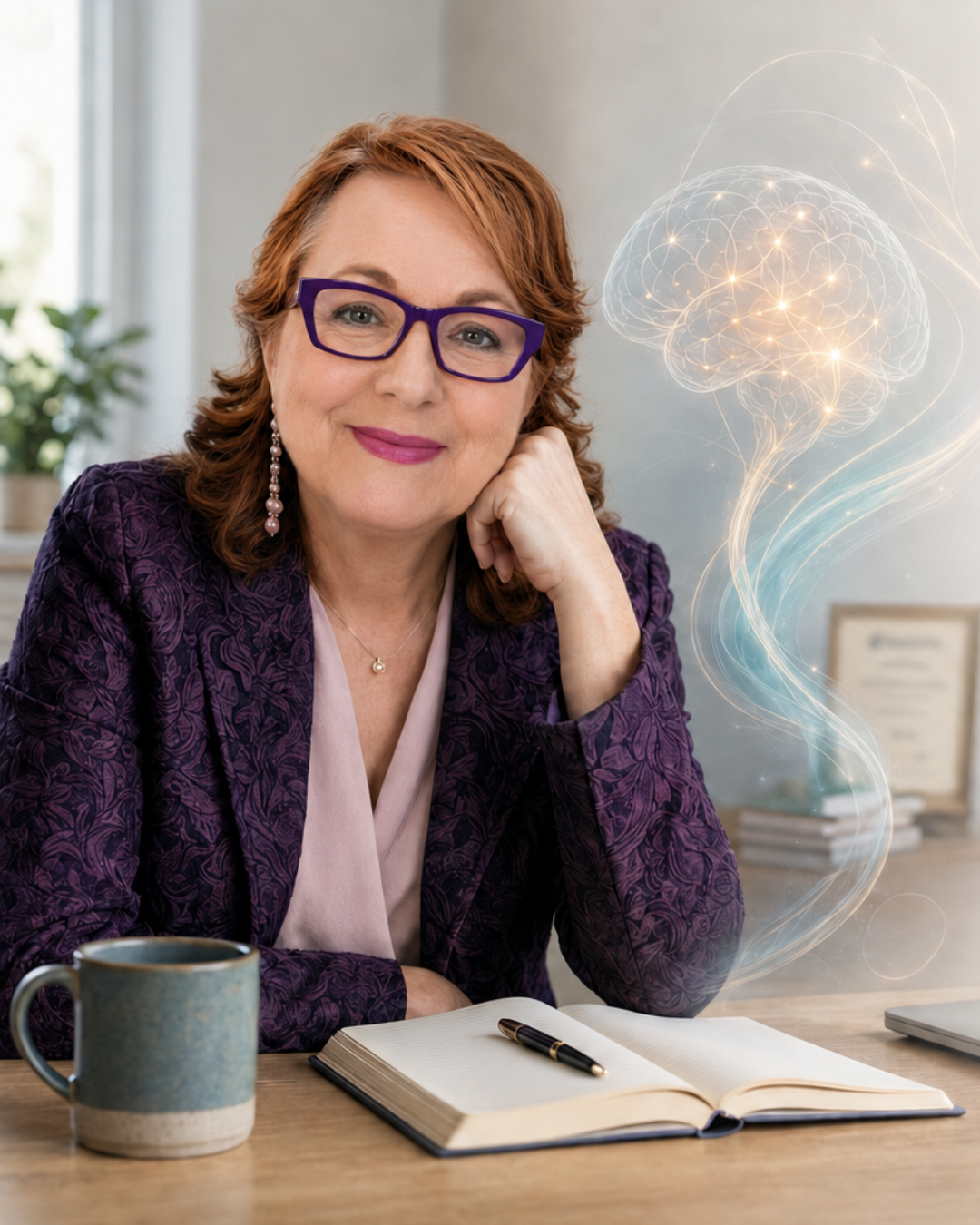
Today I work with individuals and professionals around the world, translating complex neuroscience and developmental trauma into practical, accessible education.
My work brings together counselling, neuroscience, developmental trauma, attachment, experiential learning and lived experience to help people understand not only what happened, but why.
When people finally understand what happened to them - and recognise that many of their lifelong struggles were adaptive responses rather than personal failures - they can begin building recovery from a place of knowledge, compassion and hope.
Everything I teach continues to be driven by the same question that started my journey decades ago: How do we help people understand what happened to them, so they no longer have to spend a lifetime believing something is wrong with them?
A Rich, Imperfect Life
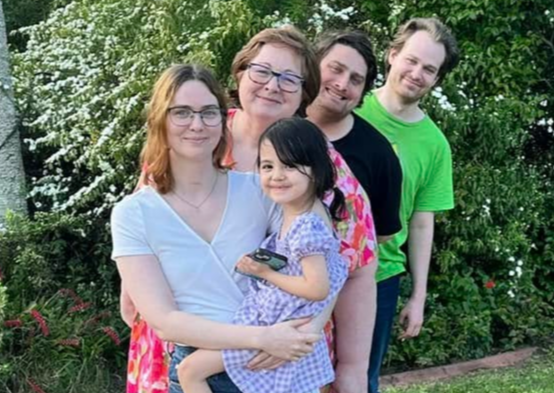
Life is rich and imperfect. It’s full of laughter, long drives, late night creative bursts and spontaneous ‘Mimi adventures’ with Rose. I still have chocolate in one hand and coffee in the other - some things are sacred.
But more than anything, I have capacity. Capacity to write. Capacity to teach. Capacity to build global education for people who don’t have 17 years to wait for systems to catch up.
You don’t have to wait either. You can learn how your own brain adapted, take one next step and begin the journey from surviving, to integrating, to thriving - at a pace that respects your capacity.
Because there is more. More life. More steadiness. More room to breathe. And yes - I’m here for all of it.
Important Note on Integration and Learning