Sandwich Parenting ~ An Essential Conversation
This article was posted on our original blog at Healing from Complex ptsd, December 2nd 2020.
Sandwich Parenting
An Essential Conversation
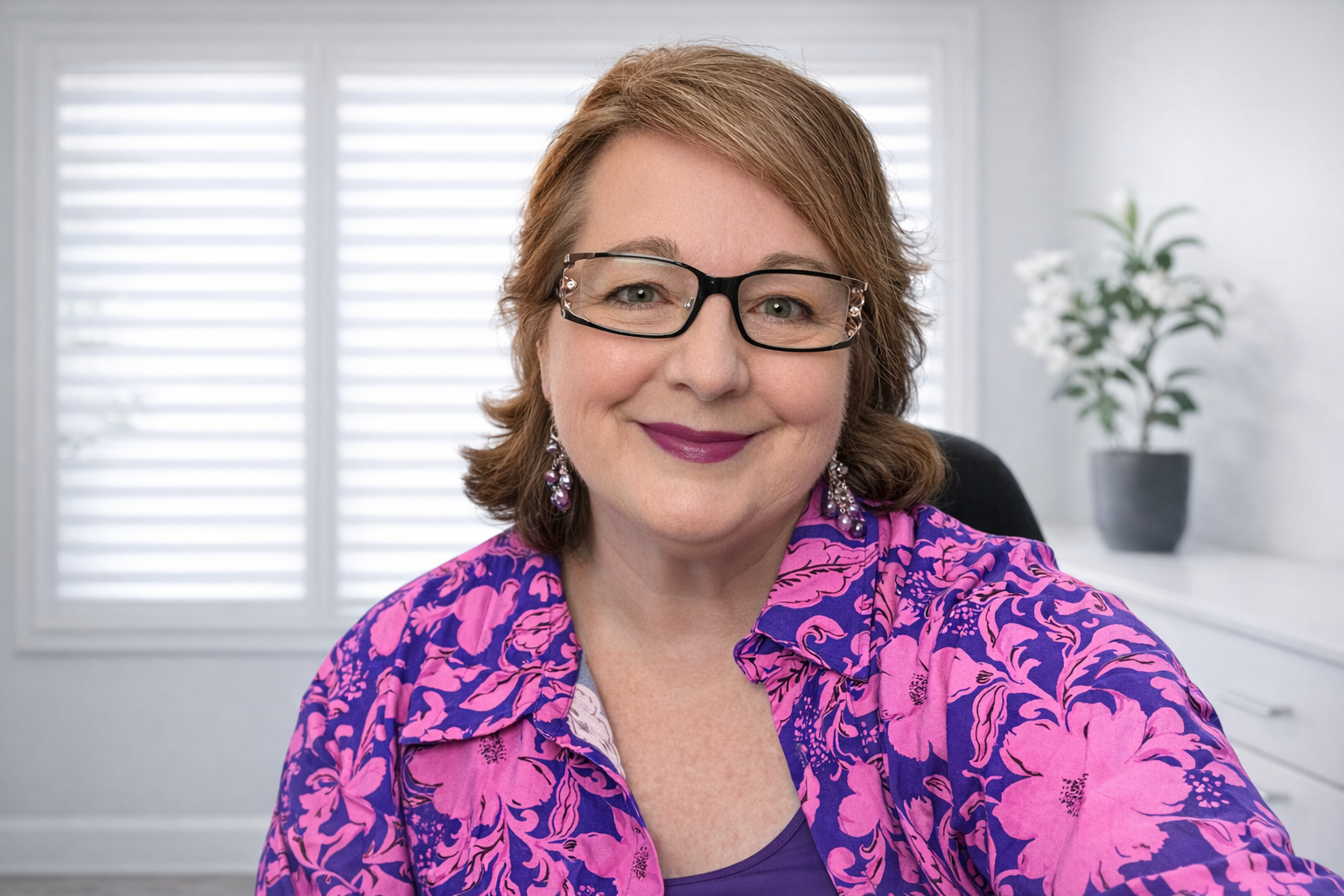
Linda Meredith is Australia’s first Certified Trauma Recovery Coach and the founder of the world’s first Trauma Recovery Academy. She is the mother of three grown children and about to be a grandmother!
Through her own healing journey, Linda has developed a gentle but powerful way to heal CPTSD – at one point, she lost all her cognitive functions. Her recovery is miraculous, but even more inspiring is what she does now to help people.
Linda has made her courses, worksheets, resources and videos available to the public.
She is a coach and a counsellor who is working to make the world an emotionally safer place for all of us, as individuals, parents and children. What a thrill it was to interview her at her home in Brisbane, Australia.
Podcast
Where Canada and Australia collided to discuss all things Sandwich Parenting!
She joined the Zoom call and immediately I just felt, well, safe. She exudes this strong yet gentle, passionate but not overwhelming personality. She has a ready smile and great screen presence. She really knows her stuff and has helped countless people understand what they are going through. In our conversation during and after the interview, she made me feel important and that I had something meaningful to contribute to the conversation.
My journey of recovery from CPTSD has been greatly enhanced by exploring her website, Facebook Community Page, Instagram, and YouTube videos.
In our podcast, we talk about:
- CPTSD (Complex Post-Trauma Stress Disorder) and how it comes from things like ACEs (Adverse Childhood Experiences), inter-generational abandonment issues, or emotional neglect.
- How unspoken rules like “When anything bad happens, we don’t talk about it” are so dangerous for children.
- She shared some of the changes she made as a parent, such as, wanting to know her kids as individuals, even down to what they liked eating.
- She touches on how unconditional love of children is non-negotiable; otherwise it impedes their ability to keep being curious, which they need in order to develop.
- Linda knows what it’s like to be a single mom who struggles, has financial barriers, and wants better for her children. That’s why she makes so much of her work available for free.
Her Key Message: Believe in yourself! You have to be willing to make changes where you won’t see results until your children become adults! Your vision as a parent is to make changes that impact not just your children, but also your children’s children.
I hope you enjoy ‘working’ with Linda as much as I do!
Courses
CPtsd Education and the NeuroSynqt™ Training Institute
NeuroSynqt™ provides neuroscience based, trauma trained professional education in Complex Ptsd to practitioners internationally, alongside counselling and written response support for adults impacted by childhood developmental trauma.
Founded by Linda Meredith, Complex Trauma Educator and Clinical CPtsd Counsellor.
Popular
Developmental Trauma Self-Check
Over the past 12 months, how many and how often have you noticed:
-
I work hard to hold it together in public, then crash in private.
-
I struggle to name what I feel until it overloads me.
-
I say yes to keep the peace, then feel resentful or empty.
-
I feel loyal to people who do not treat me well.
-
I lose time or feel foggy when stressed.
-
I avoid closeness or over-attach quickly, then panic.
-
I find it hard to trust my own judgement.
-
I feel shame when I try to set boundaries.
-
I need external approval to feel steady.
-
I push through fatigue instead of pausing.
How to use this:
0–3 items often: you may be using a few survival patterns.
4–7 items often: consider paced support to rebuild safety and choice.
8–10 items often: a trauma-trained professional can help you restore stability and connection.
Brain Impact Self-Check
Over the past 12 months, how often have you noticed:
-
My mind jumps to what could go wrong, even in safe moments.
-
I find it hard to remember recent details when I am stressed.
-
Decisions feel risky, so I delay or avoid them.
-
I forget good experiences quickly and dwell on the bad.
-
I feel numb or overwhelmed, with little in-between.
-
I lose words when emotions rise.
-
I misread neutral faces or tones as negative.
-
I struggle to notice body signals like hunger, tension or breath.
-
I do better when someone I trust is nearby.
-
I feel different “versions” of me in different settings.
How to use this:
0–3 often: some protective habits; gentle self-care may help.
4–7 often: consider trauma-trained coaching to build daily brain skills.
8–10 often: a paced, brain-based plan can restore clarity, memory and confidence.
For formal assessment, use recognised measures:
-
ACE-IQ or ACE-10 for adversity history (education only on public pages).
-
ITQ (International Trauma Questionnaire) for ICD-11 PTSD/Complex PTSD.
-
DERS for emotion regulation, DES-II for dissociation, PCL-5 for PTSD symptoms.
-
PHQ-9, GAD-7 for mood and anxiety; OSSS-3 for social support.