
Feeling Abandoned Before Anything Goes Wrong: What's Actually Happening in the Brain
You're in a normal conversation with someone you care about. They seem slightly distracted. Not fully there.
You notice it straight away.
You try to ignore it. You tell yourself they might be tired or thinking about something else. But your attention doesn't move on. It narrows.
You start watching more closely, listening for small changes, trying to work out if something has shifted between you.
Nothing has been said. Nothing has clearly gone wrong. But it already feels like something has changed.
If you've experienced this, you already know what makes it so disorienting.
You can see that nothing observable has happened. You can name the reaction. You can even predict it before it arrives. None of that stops it from taking over.
This article is for the people who keep finding themselves in that exact position. The ones feeling abandoned before anything goes wrong, then trying to work out why awareness alone hasn't changed it.
Why Understanding It Doesn't Switch It Off

What the Brain Is Actually Responding To
In that moment of slight distraction or unexplained shift, your brain does something specific.
It stops orienting around what is happening now. And it starts orienting around what it has already learned to expect in relationships.
That switch happens fast. Faster than thought. The orienting response is built to operate ahead of conscious processing because it evolved to keep you safe before you had time to analyse anything. It's working as designed. The problem is what it's been trained to expect.
When relational predictability has been disrupted often enough, especially in early development, the brain builds expectation patterns around it. Disconnection. Withdrawal. Subtle change before something larger. Those patterns become the reference point. They get pulled forward into present interactions even when nothing in the present moment matches them.
So the order of what you're experiencing goes like this.
The orienting shift happens first. The feeling of something being wrong arrives next. Your conscious thinking catches up after that and tries to make sense of what you're already feeling. By the time you're consciously assessing the interaction, the experience already feels real because your body has already responded to it as real.
This is why you can be sitting in a conversation that is, by every observable measure, completely fine, and still feel the floor drop out underneath it.
You are not imagining it.
You are responding to a different timeline running underneath the present one.
If this feels familiar, it’s not just a moment - it’s a pattern.
The Adjustment You Didn't Decide To Make
There's a second layer to this that most people only notice afterwards.
While the response is active, you start to adjust. You become slightly more careful with what you say. A little more agreeable.
More aware of how you're coming across. You might soften your tone or pull back something you were about to express.
You didn't decide to do any of that.
It happened underneath your awareness, while your conscious self was still trying to work out what was wrong.
Later, you might notice it and think 'why did I do that'. There's that familiar sense that you weren't fully operating the way you normally would. Something else was running the interaction.
This is the trauma self orienting to perceived threat in the connection while your conscious self watches it happen and can't quite intervene in time. They're both there. They're both you. They're just not integrated in that moment, which is why the experience feels disjointed afterwards.
This is one of the clearest signals that the issue is integration, not character. You're not weak. You're not lacking confidence. You're not 'too much' or 'too sensitive'. Two parts of your own processing are operating on different timelines, and the older one, the one designed to keep you safe in chaos, is running the connection.

Why It Repeats Across Different Relationships
The same underlying response can show up across different people and different contexts.
A message that feels different. A delay that feels significant. A shift in energy that's hard to explain. Each one pulls your attention back into the same place. Trying to work out what has changed. Trying to work out where you stand.
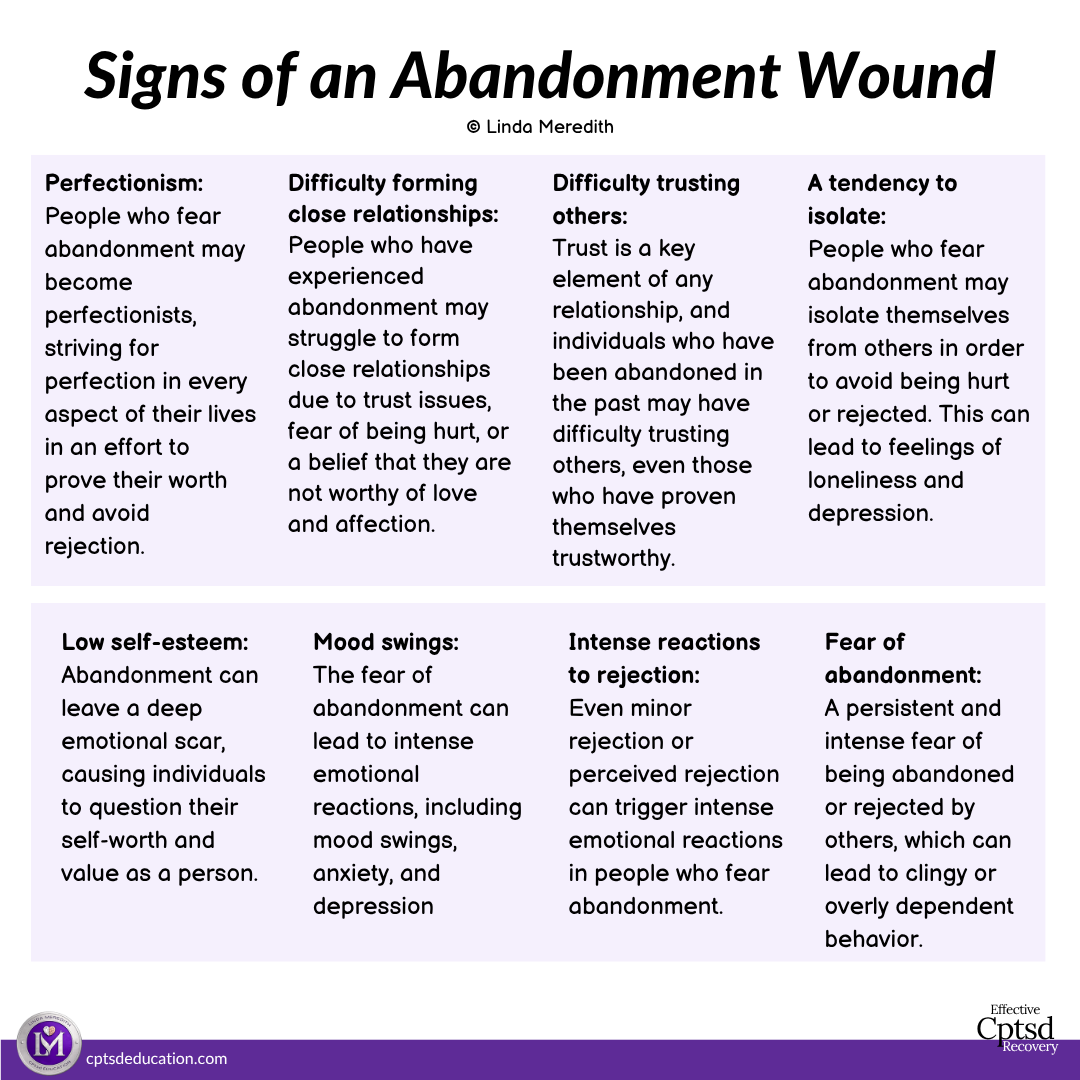
It's tempting to read this as 'I keep picking the wrong people'. Sometimes that's part of it. Often it isn't. The same response will activate even with safe, consistent people, because the orienting system isn't checking who is in front of you. It's checking for the cues it has been trained to track - automatically, unconsciously.
This is also why more reflection hasn't resolved it. You can analyse each relationship. You can identify the pattern. You can notice every time it happens. The pattern keeps running because the level of brain processing driving it isn't reachable by reflection alone.
The gap is integration. Specifically, the gap between knowing something consciously and knowing the moment the trauma wiring activates, sending you into an unconscious survival response.
That gap is where the work is.
Where This Actually Begins to Change
The shift becomes much clearer when it's looked at as it actually happened. Not as a general pattern. Not as a category of behaviour. One specific moment in one specific relationship. The one where you noticed everything changed internally.
Most people try to work it out at the level of pattern. That keeps you in analysis. But the moment itself is where the answer sits. Because that’s where the change occurred. When that moment is seen properly, the reaction stops feeling random.
That’s the point where you can begin to settle your awareness into the fact that you are not consciously driving your responses. You begin to recognise the gap.
This gap is how I realised insight and regulation weren't enough to create real change, so I developed NeuroSynqt™ to work with how the brain organises trauma, and that's when things finally shifted.

When To Take This One Next Step
If this keeps happening - even when you can see it clearly then it’s not a lack of insight.
It means something is happening underneath awareness that hasn’t been worked with directly yet.
If you have one of those moments that doesn't settle, you can bring it. One specific situation. The one that still doesn't make sense.
I'll break down what happened in real time, why that shift occurred, and where your focus needs to go if you want it to begin changing.
You don't need to explain everything. Just the moment. 👉 Get Your Written Response: One Next Step
You don’t need to figure all of this out on your own. You just need one moment that doesn’t make sense - and a way to understand what’s actually happening in it, literally how you can recognise and take your one next step.
No ongoing commitment. One focused response.Built around your specific situation.
This is not ongoing support - it’s a precise starting point.
If it keeps happening - and your insight hasn’t changed the outcome
This is where you get your clear answer. You don’t need to figure it out first. You just need to
bring the moment that still doesn’t make sense.
References
It also reflects the clinical framework NeuroSynqt™, developed by Linda Meredith through decades of applied practice and education in CPtsd recovery.