Medical Neglect Update: When Determination Alone Isn't Enough.
I reached a point in my recovery where I was thoroughly fed up. Not with life, not with trying, but with being unable to consistently do something I desperately wanted to do - exercise.
I sat with my specialist and said, "This is NOT me. I want my life back."
In September, we trialled another approach, but it didn't work. Fortunately, I've spent decades learning how my brain responds, and I tend to recognise changes very quickly. So, armed with that knowledge, we went back to the drawing board.
Next, we trialled a tiny dose of an SSRI, just 5 mg. That's a quarter of a 20 mg tablet.
And the results?
I've exercised on 8 out of the past 9 days! 🎉
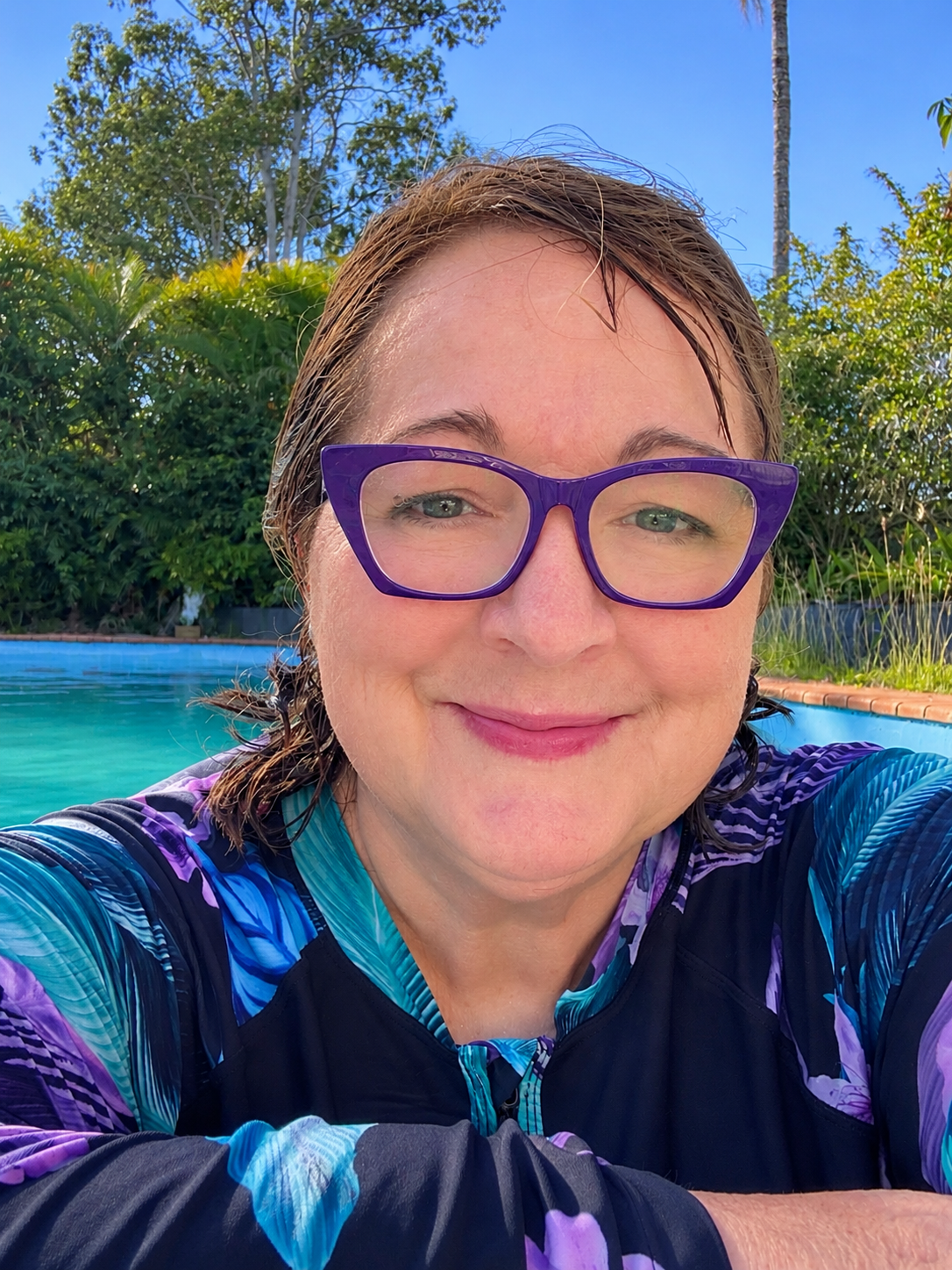
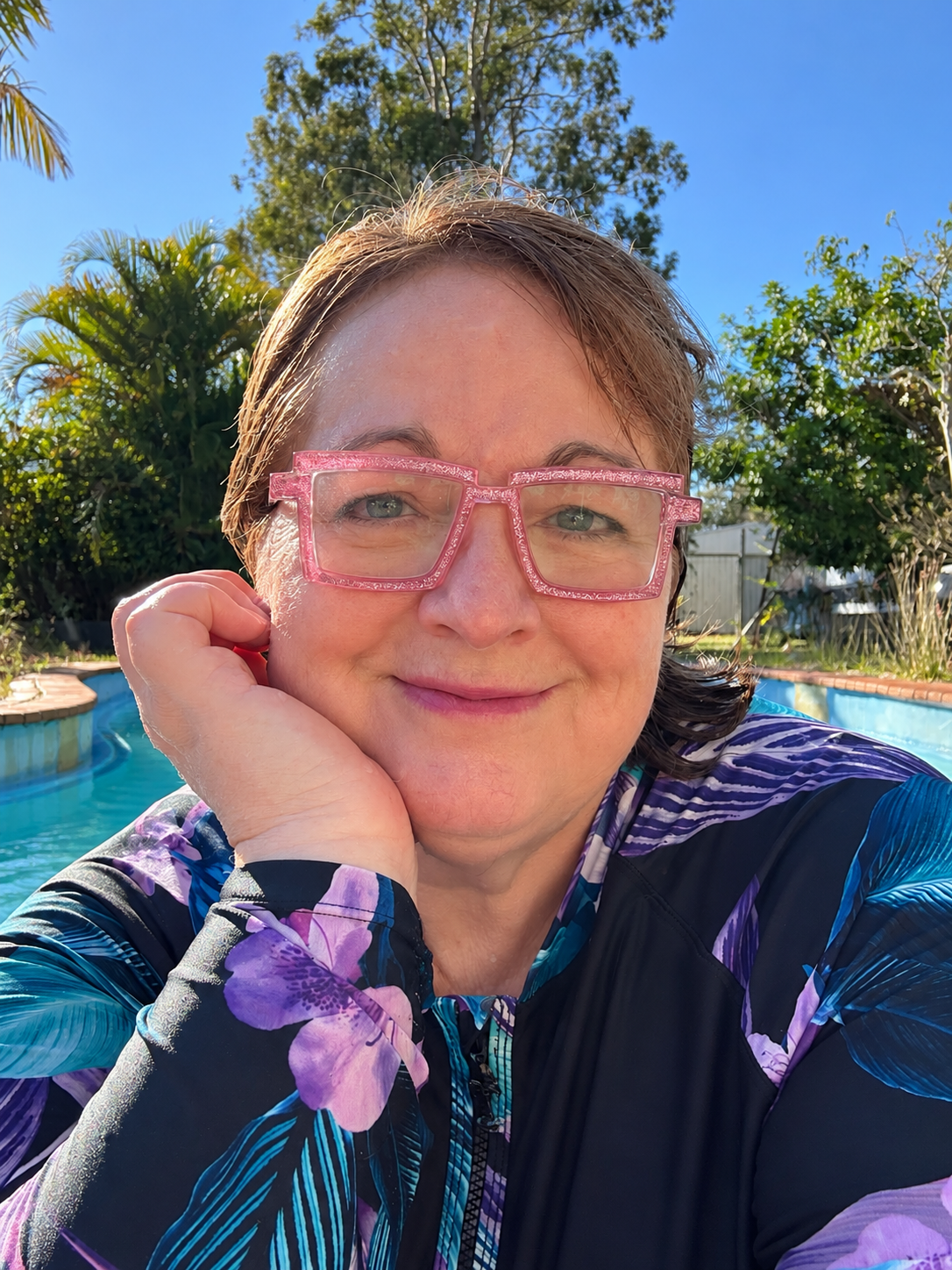
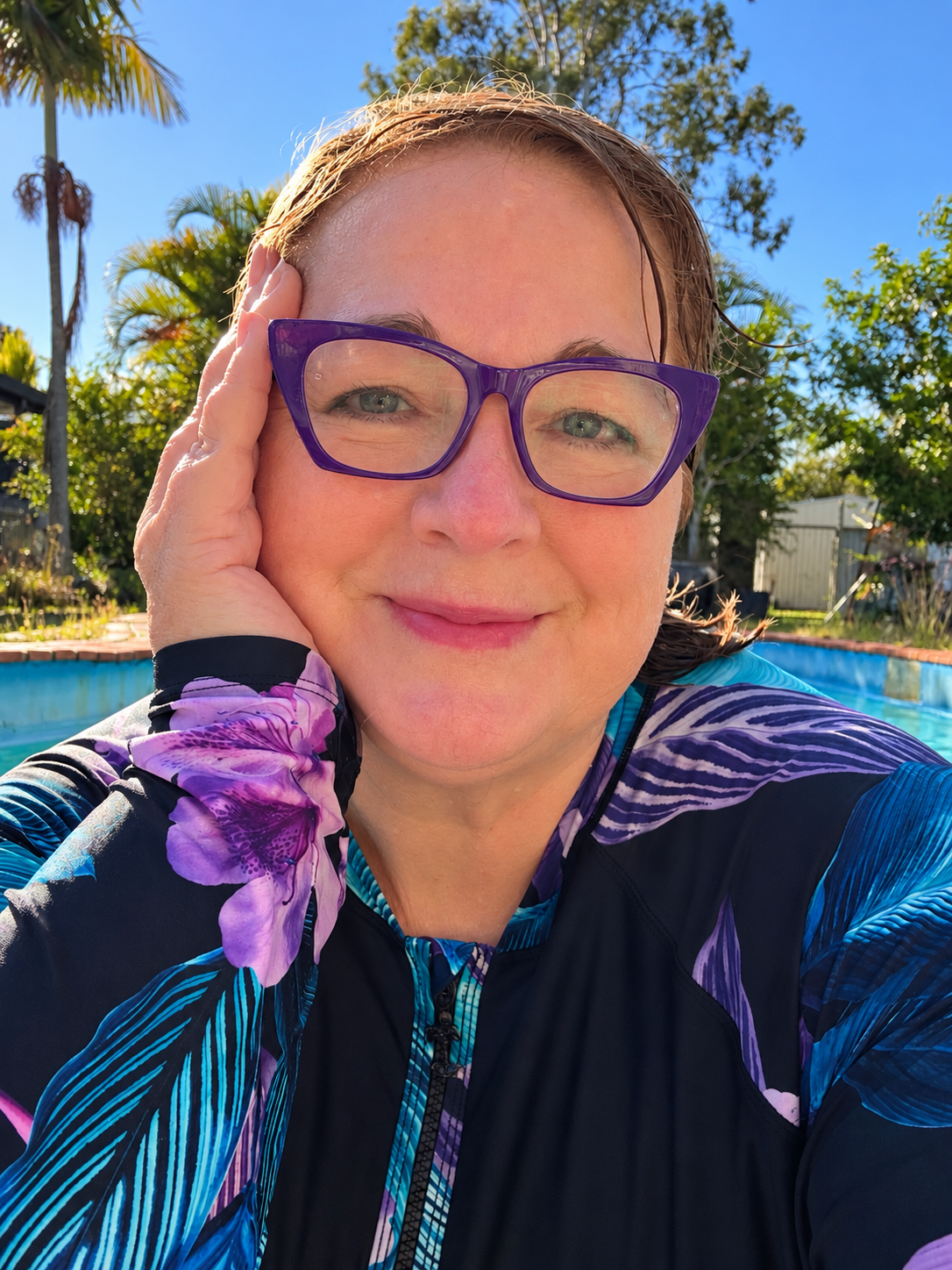
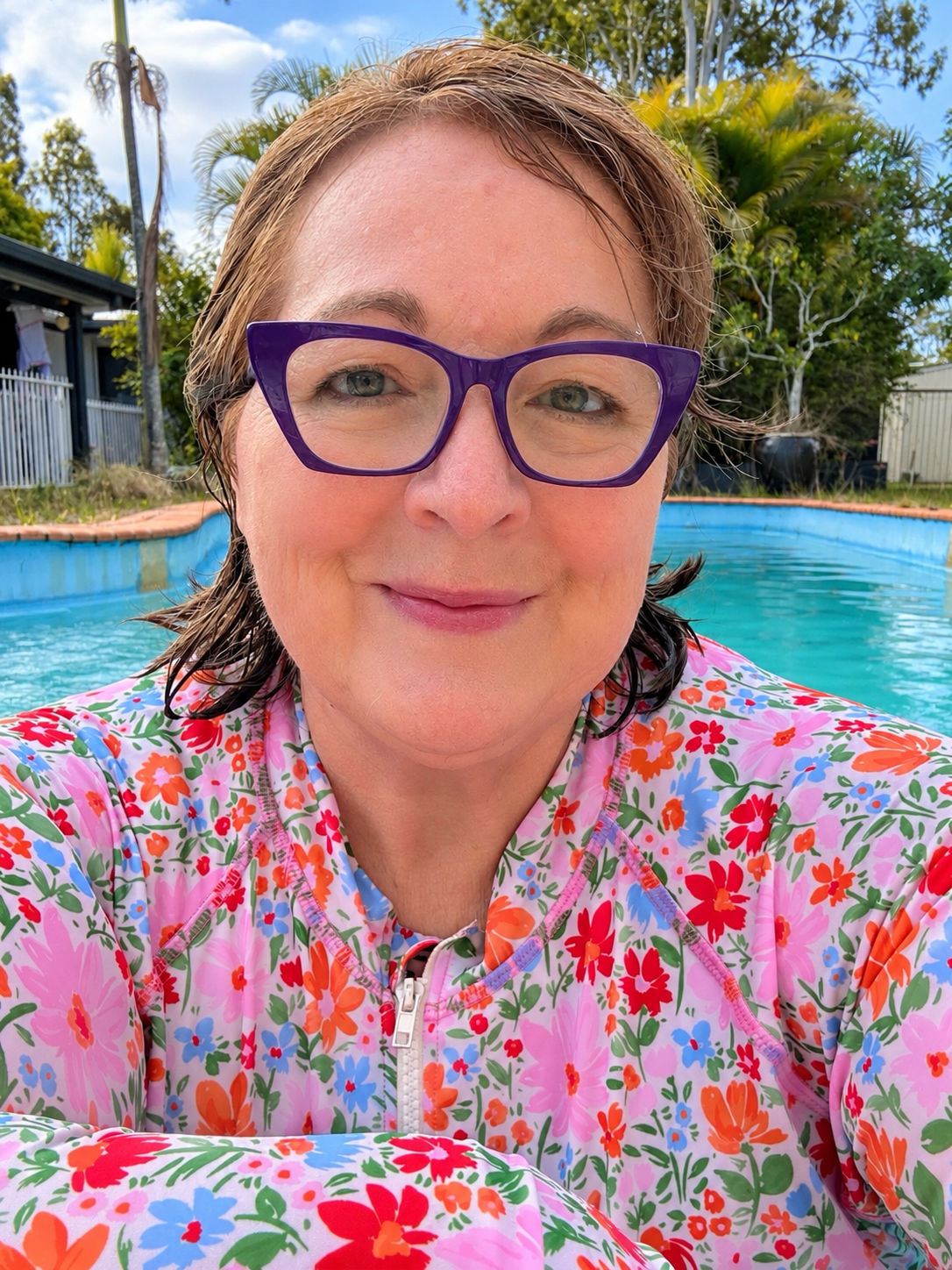
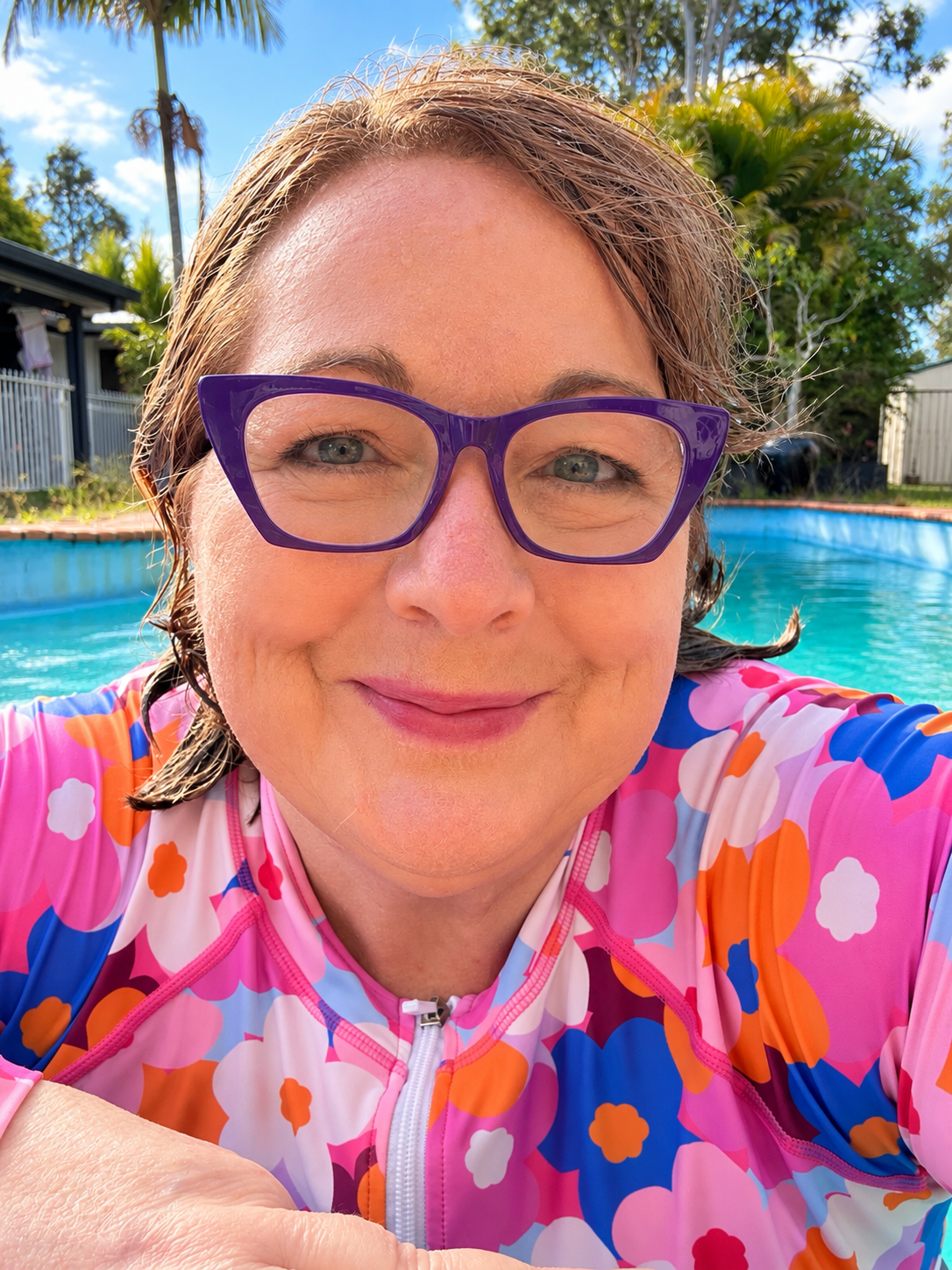
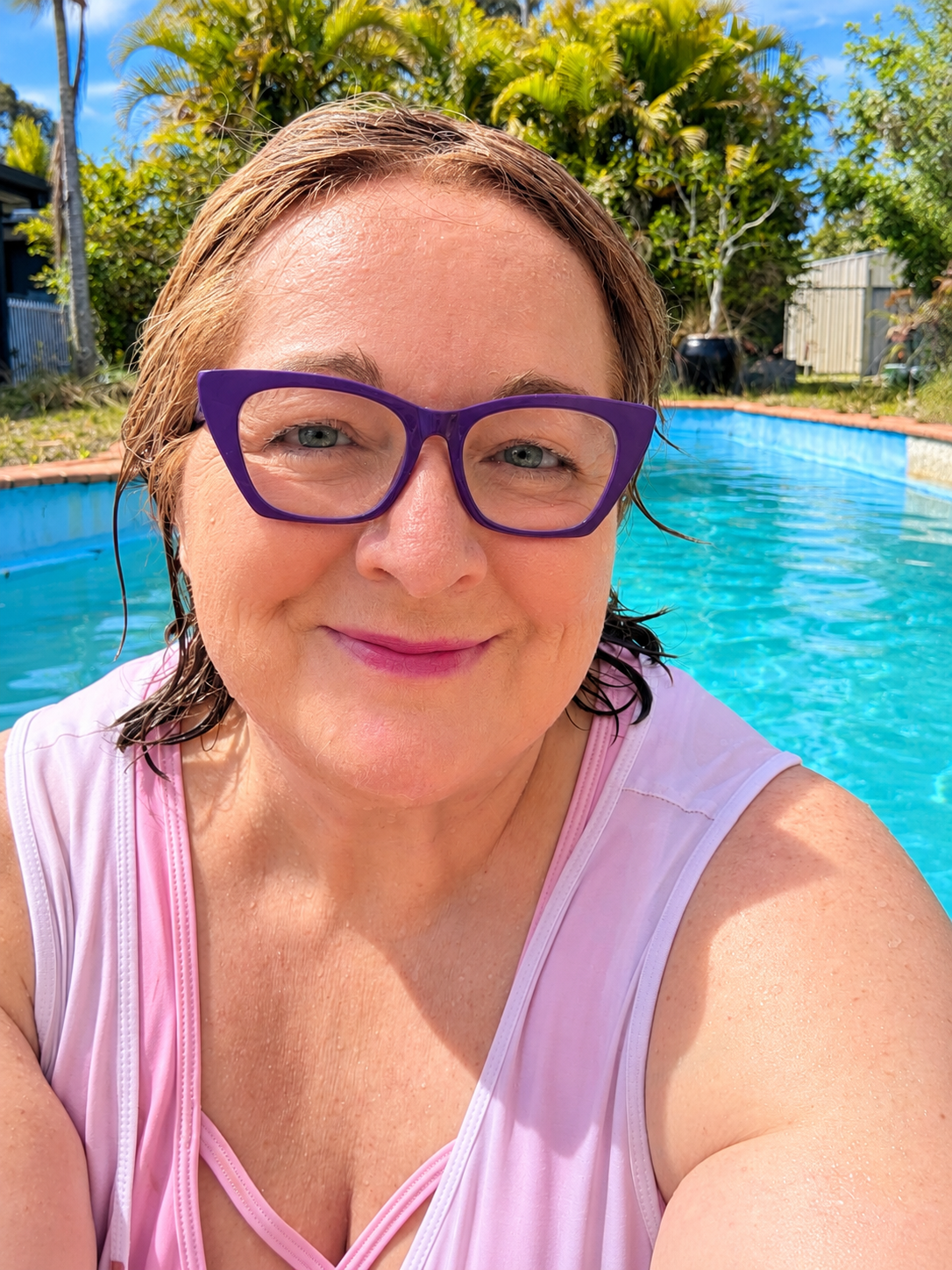
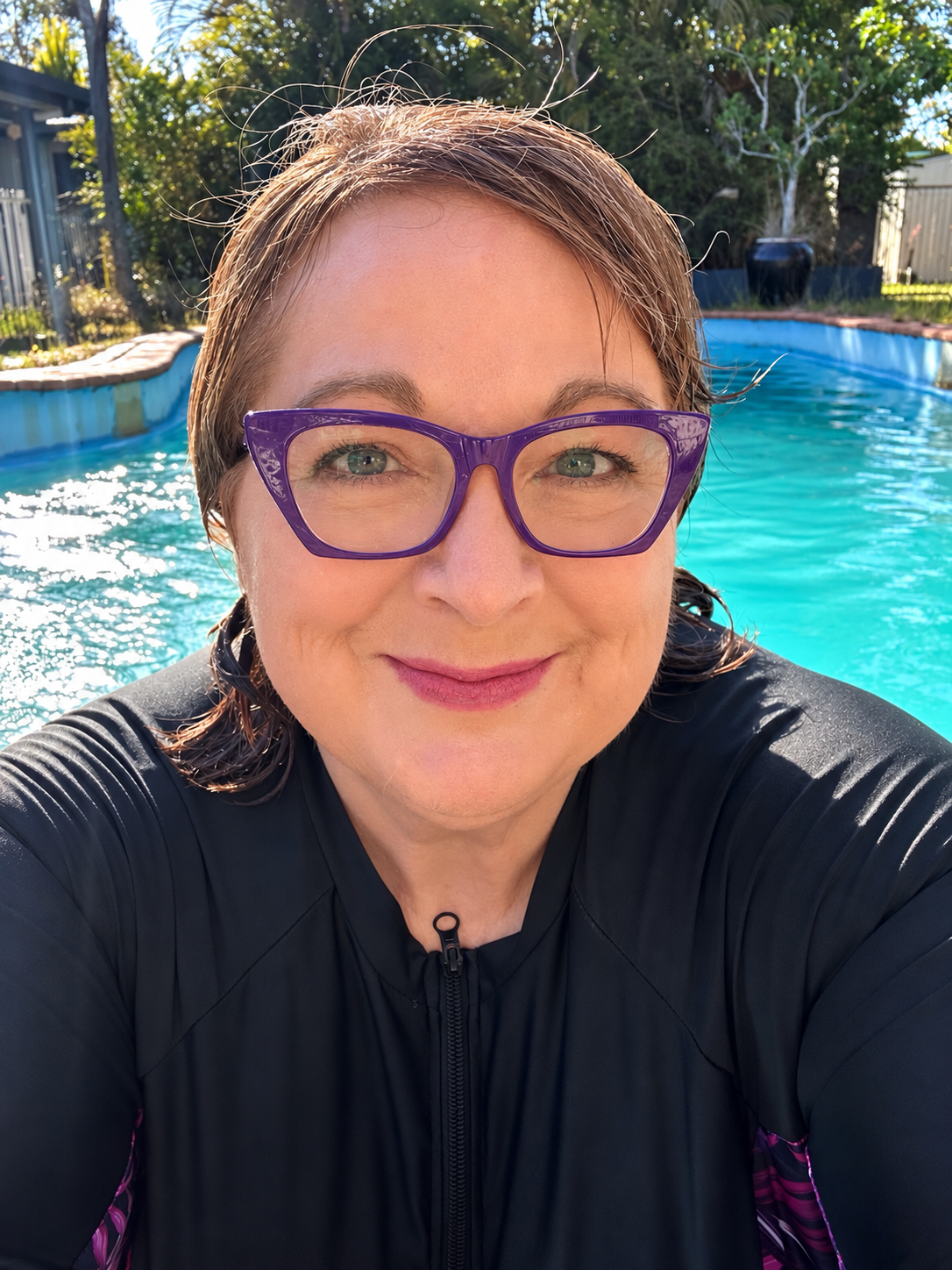
I started with 300 repetitions in the pool and have gradually worked my way up to 1,000. And yes, the pool pump is finally working again! 😂💦
Now, for someone who hasn't experienced what I have, that might not sound particularly extraordinary. But when you've spent years trying to rebuild physical capacity, only to have your brain and body repeatedly refuse to cooperate, eight days out of nine is an enormous achievement.
And here's why I'm sharing this.
I cannot emphasise enough how profoundly childhood developmental trauma can affect neurological development and our capacity to function decades later.
And while neuroscience has established important connections between developmental adversity and later brain function, there is still an enormous amount we don't understand. Some of the functional difficulties people experience are barely being discussed outside specialist and research settings.
I've spent countless hours researching, studying and trying to understand what was happening in my own brain. But knowledge alone wasn't enough. I needed an exceptional specialist. Someone qualified in both psychiatry and pharmacy, who was willing to listen when I walked into his office and explained what I believed was happening.
Someone who understood that I'd already spent decades doing personal development work, working through trauma, developing professionally, growing spiritually and walking faithfully with God.
And that none of those things automatically reverses every neurological adaptation established in a brain that developed during childhood trauma.
But what if the person has been doing everything they reasonably can, and the missing piece has never been a lack of effort?
What if the difficulty involves neurological mechanisms that have never been adequately investigated or understood? What if the person doesn't need another lecture about discipline, motivation or resilience, but a clinician willing to investigate why their brain and body aren't responding as expected?
That's why being listened to matters. That's why competent medical care matters. And that's why I will never stop advocating for a deeper understanding of developmental trauma and its long-term neurological consequences. I'm not claiming we've solved everything. One medication response doesn't explain every mechanism involved, and there's still plenty to learn.
But after years of trying to regain something that once seemed so far out of reach, I'm finally seeing meaningful progress.
Sometimes the next step in recovery isn't trying harder. It's finally receiving the right help.
And goodness me, am I grateful for that. 💜🥰

CPtsd Education and the NeuroSynqt™ Training Institute
NeuroSynqt™ provides neuroscience based, trauma trained professional education in Complex Ptsd to practitioners internationally, alongside counselling and written response support for adults impacted by childhood developmental trauma.
Founded by Linda Meredith, Complex Trauma Educator and Clinical CPtsd Counsellor.
Popular

Developmental Trauma Self-Check
Over the past 12 months, how many and how often have you noticed:
-
I work hard to hold it together in public, then crash in private.
-
I struggle to name what I feel until it overloads me.
-
I say yes to keep the peace, then feel resentful or empty.
-
I feel loyal to people who do not treat me well.
-
I lose time or feel foggy when stressed.
-
I avoid closeness or over-attach quickly, then panic.
-
I find it hard to trust my own judgement.
-
I feel shame when I try to set boundaries.
-
I need external approval to feel steady.
-
I push through fatigue instead of pausing.
How to use this:
0–3 items often: you may be using a few survival patterns.
4–7 items often: consider paced support to rebuild safety and choice.
8–10 items often: a trauma-trained professional can help you restore stability and connection.
Brain Impact Self-Check
Over the past 12 months, how often have you noticed:
-
My mind jumps to what could go wrong, even in safe moments.
-
I find it hard to remember recent details when I am stressed.
-
Decisions feel risky, so I delay or avoid them.
-
I forget good experiences quickly and dwell on the bad.
-
I feel numb or overwhelmed, with little in-between.
-
I lose words when emotions rise.
-
I misread neutral faces or tones as negative.
-
I struggle to notice body signals like hunger, tension or breath.
-
I do better when someone I trust is nearby.
-
I feel different “versions” of me in different settings.
How to use this:
0–3 often: some protective habits; gentle self-care may help.
4–7 often: consider trauma-trained coaching to build daily brain skills.
8–10 often: a paced, brain-based plan can restore clarity, memory and confidence.
For formal assessment, use recognised measures:
-
ACE-IQ or ACE-10 for adversity history (education only on public pages).
-
ITQ (International Trauma Questionnaire) for ICD-11 PTSD/Complex PTSD.
-
DERS for emotion regulation, DES-II for dissociation, PCL-5 for PTSD symptoms.
-
PHQ-9, GAD-7 for mood and anxiety; OSSS-3 for social support.