
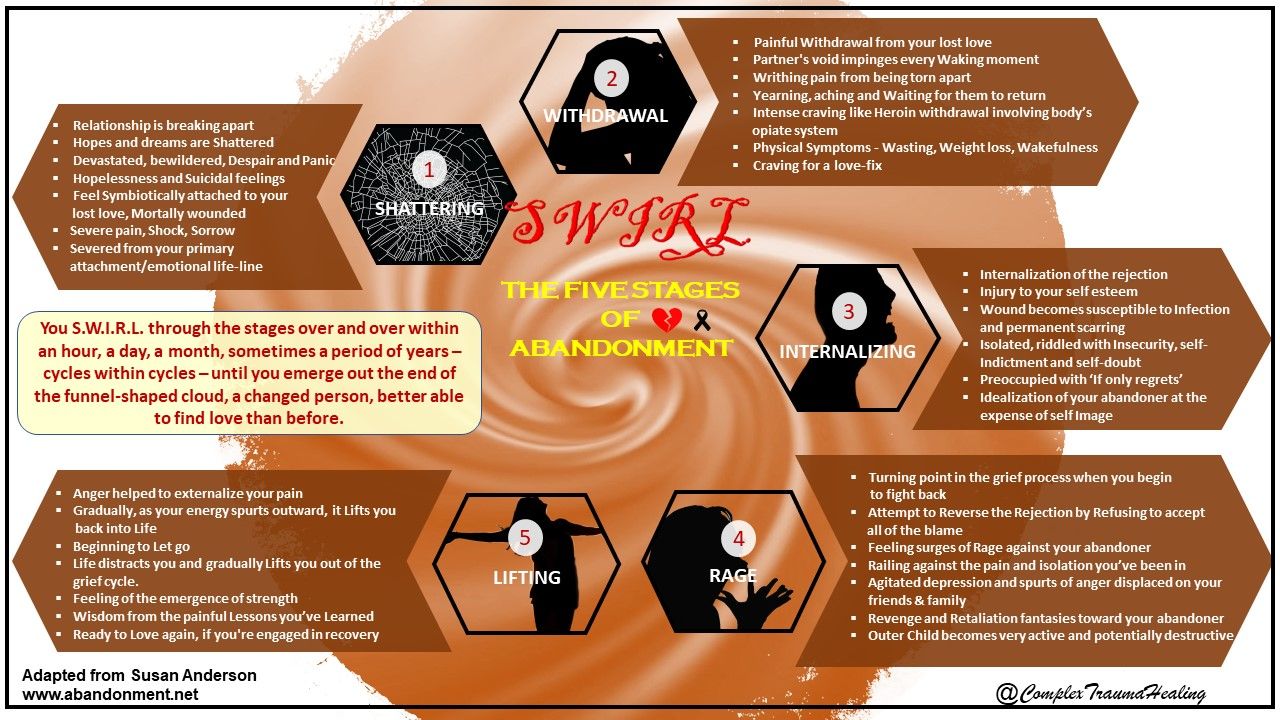
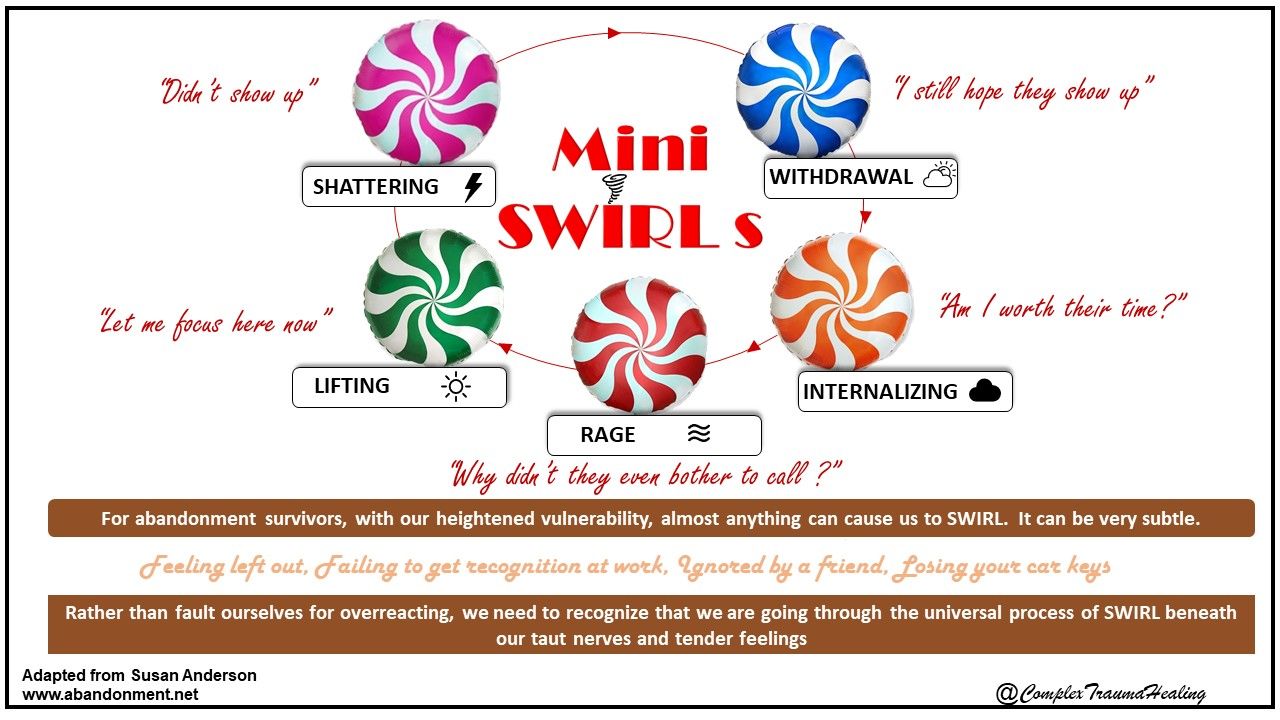
The Five Stages of Abandonment

When To Take This One Next Step
If this keeps happening - even when you can see it clearly then it’s not a lack of insight.
It means something is happening underneath awareness that hasn’t been worked with directly yet.
If you have one of those moments that doesn't settle, you can bring it. One specific situation. The one that still doesn't make sense.
I'll break down what happened in real time, why that shift occurred, and where your focus needs to go if you want it to begin changing.
You don't need to explain everything. Just the moment. 👉 Get Your Written Response: One Next Step
You don’t need to figure all of this out on your own. You just need one moment that doesn’t make sense - and a way to understand what’s actually happening in it, literally how you can recognise and take your one next step.
No ongoing commitment. One focused response.Built around your specific situation.
This is not ongoing support - it’s a precise starting point.
If it keeps happening - and your insight hasn’t changed the outcome
This is where you get your clear answer. You don’t need to figure it out first. You just need to
bring the moment that still doesn’t make sense.
References
It also reflects the clinical framework NeuroSynqt™, developed by Linda Meredith through decades of applied practice and education in CPtsd recovery.